
Confidence isn’t a pep talk—it’s a byproduct. It shows up as you progress through consistent practice, skill refinement, and learning from wins and setbacks. Build your competence, and confidence will follow.
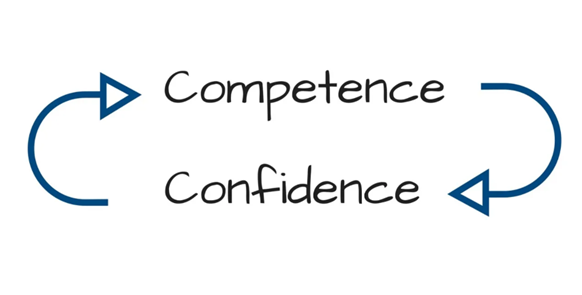
But what exactly is confidence? It is often defined as “the belief or perception that one can perform a task successfully” (Weinberg & Gould, 2019). It’s not about arrogance or blind optimism—it’s a grounded belief in your ability, built over time through consistent effort, feedback, and achievement. This belief enables you to remain assertive and adaptable under competitive pressure because you’ve earned the right to trust yourself.
Why Even Well-Prepared Athletes Struggle Under Pressure?
However, even well-prepared athletes can struggle to trust themselves under pressure. They may look like winners in practice but crumble when competition intensifies. This could be due to a lack of practice that simulates the stress and unpredictability of competition, making it hard to transfer skills under pressure. It may also stem from a lack of psychological tools to remind themselves why they deserve confidence in those high-pressure moments.
“It’s not bragging if you can back it up.”
Muhammad Ali
In this post, we’ll focus on developing the psychological skills that help performers build and maintain confidence under pressure. For those interested in exploring how to design training sessions that better simulate competitive conditions, you can check out my other post related to session design.
Fostering Confidence through Competence:
- Track your Progress with Performance Goals
Break down your goals into smaller performance targets. Tracking progress reminds you of your growth and challenges overcome, reinforcing both competence and confidence. - Mental Rehearsal and Reflection
Use visualization to mentally rehearse both successful performances and how you’ll handle setbacks. Combine this with regular reflection—journal your progress, how you’ve successfully navigated obstacles, and the emotions you’ve worked through. Together, these practices reinforce your belief in your competence and readiness. - Positive Self-Talk and Strength Focus
There’s a tendency for many athletes to focus mainly on what they are lacking. Instead, start by acknowledging what you’ve done well—what you’re competent at—before targeting areas for development. Replace doubts with reminders of your strengths. Confidence grows when you build from what’s already solid.
🧠 From Insight to Action
Finally, what’s one step you can take today to build your own confidence—or help someone you coach connect more deeply with theirs?
If you have questions, thoughts, or want to explore how these ideas could apply to your sport or context, feel free to get in touch—I’d love to hear from you.
Coach Hansen
References:
Weinberg, R.S., & Gould, D. (2019). Foundations of sport and exercise psychology (7th ed.). Champaign, IL: Human Kinetics.

“Ready to take your golf game to the next level? Click here to UP your mental game and sign up for The Golfer’s Mental Edge!”
 Coach Hansen