Principles First Approach to Mental Resilience (Part 2 of 3)

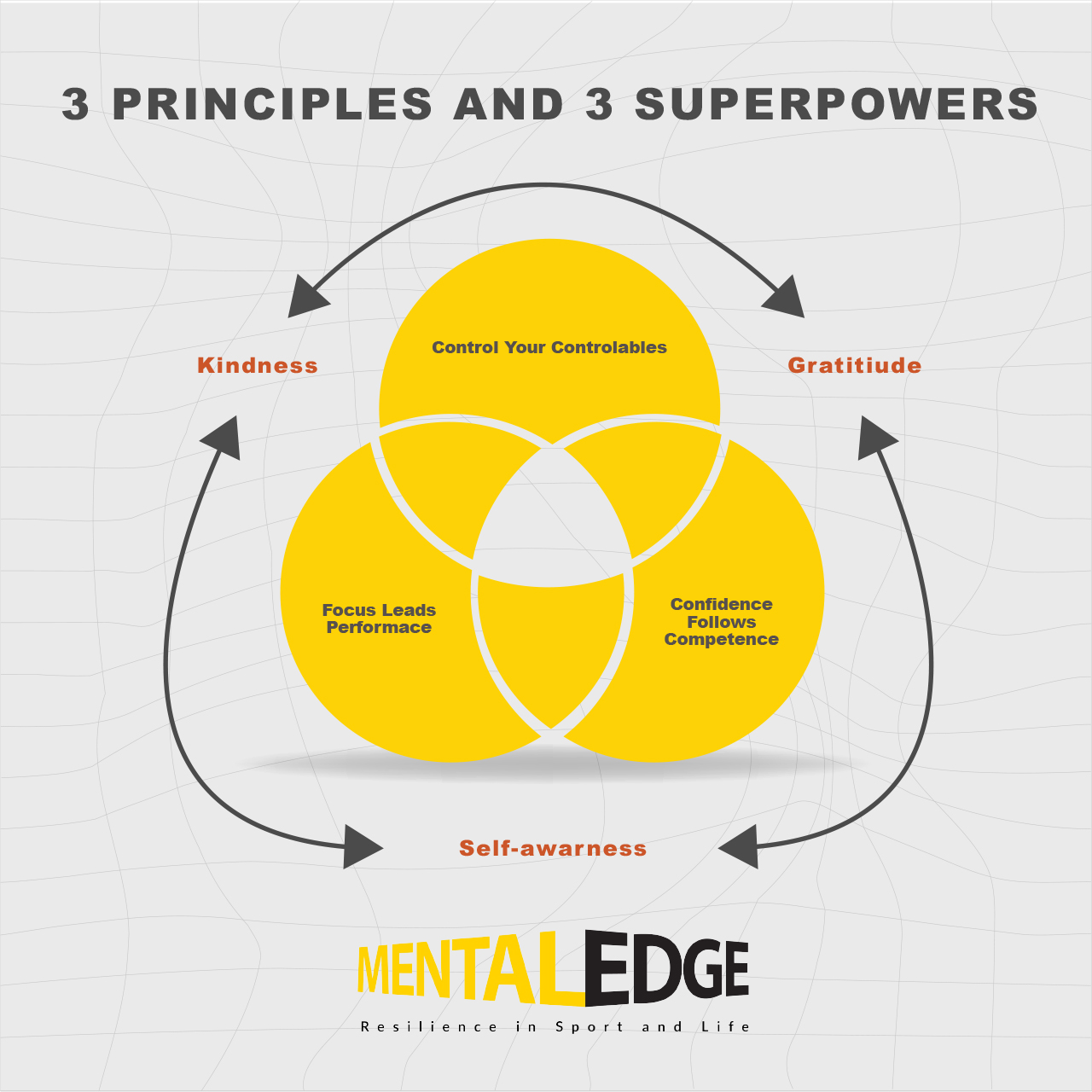
In this second part of my post, we’ll explore how the principles—Control Your Controllables, Confidence Follows Competence, and Focus Leads Your Performance—translate into practical psychological skills. Coaches and sport psychology practitioners can use experiential activities where participants perform a task under pressure, or reflective exercises where they contrast their best and worst performances. For example, they might ask:

• “How did you maintain your focus? What helped?”
• “How did you lose focus? What distractions did you face?”
• “How did preparation or skill level contribute to your performance?”

Do note that a certain competence in facilitation skills is necessary to help performers expand on their reflections, uncovering deeper insights and connections to their experiences.

Thereafter, the practitioner can ask the performer to consider which of the three principles best aligns with their insights. For example, a performer who recalls being overly concerned with the outcome during their worst performance might resonate with Control Your Controllables, while one who identifies a lack of trust in their abilities might connect more with Confidence Follows Competence.

This process helps performers internalize these principles by linking them to their personal experiences, making them more relatable and actionable as they move forward.
Continue reading “Principles First Approach to Mental Resilience (Part 2 of 3)”

Principles First Approach to Mental Resilience (Part 1 of 3)

Traditionally, learners are introduced to psychological skills by learning the basics of goal setting, visualization, and self-talk (Weinberg & Gould, 2019). My preferred approach starts with the understanding of basic psychological principles, helping learners recognize their innate tendency for self-regulation, imagining future outcomes, and setting goals. By reflecting on past experiences where these tendencies helped them overcome challenges, learners gain insight into their existing strengths.

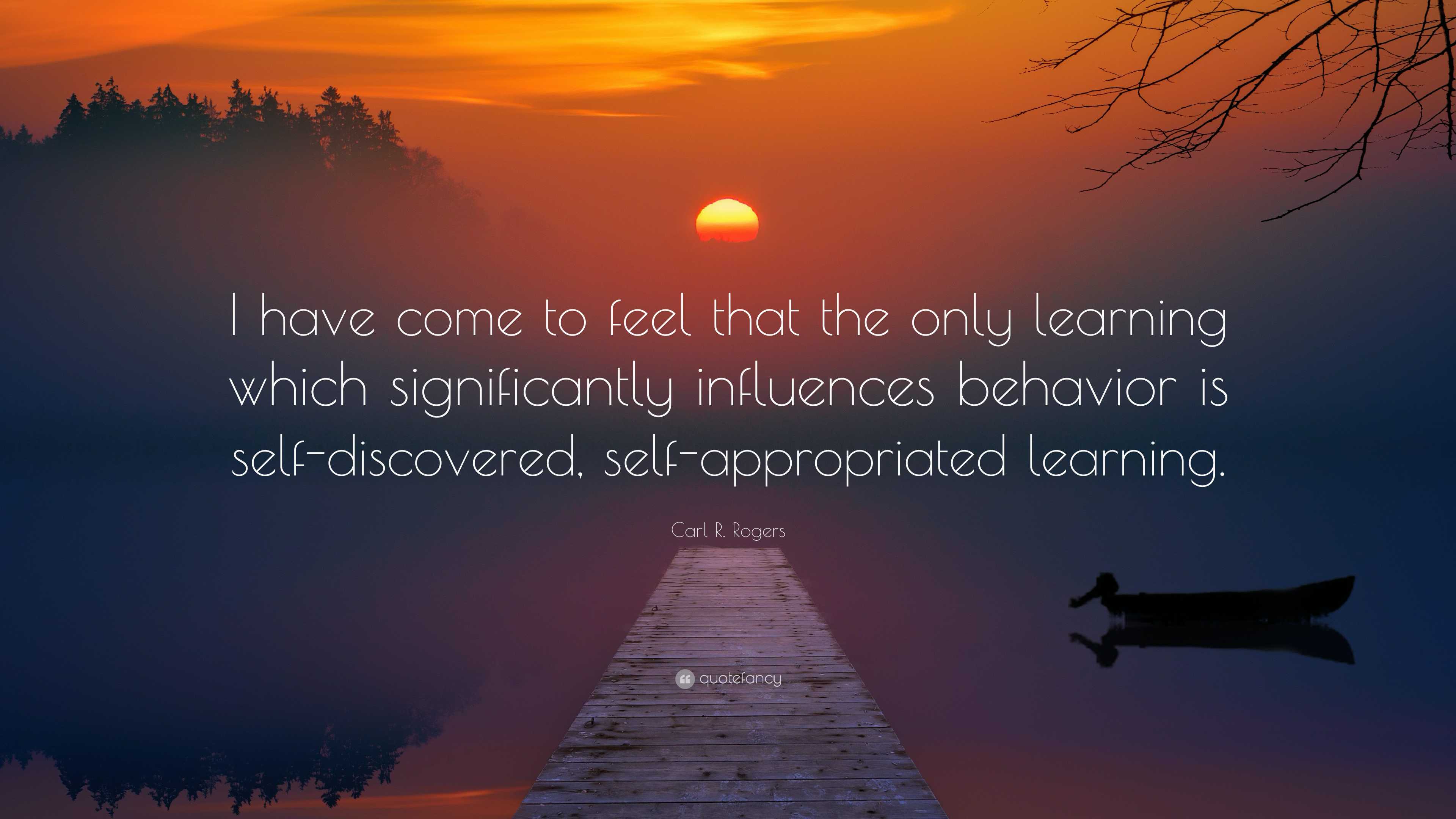
Consequently, the purpose of psychological skills training is to help them intentionally leverage these strengths to enhance performance and resilience. This approach requires a paradigm shift from viewing the learners as passive recipients of knowledge, waiting to be taught specific skills, to the assumption they already possess the innate resources needed to succeed (Rogers, 1995).

Continue reading “Principles First Approach to Mental Resilience (Part 1 of 3)”

“See it, believe it.”

Imagery, sometimes called visualization or mental rehearsal, is widely used by athletes, business professionals, musicians, and almost anyone looking to enhance their performance. It involves creating mental images of your performance to help you perform better under pressure, improve skills, evoke emotions, or create an immersive mental experience (Ramsey et al., 2010). I should also emphasize that Imagery is a mental skill; like all skills, it requires practice.

How does Imagery foster confidence and enhance performance?

Continue reading ““See it, believe it.””