How to Coach like a Greek Philosopher

Has anyone heard of Stoicism?
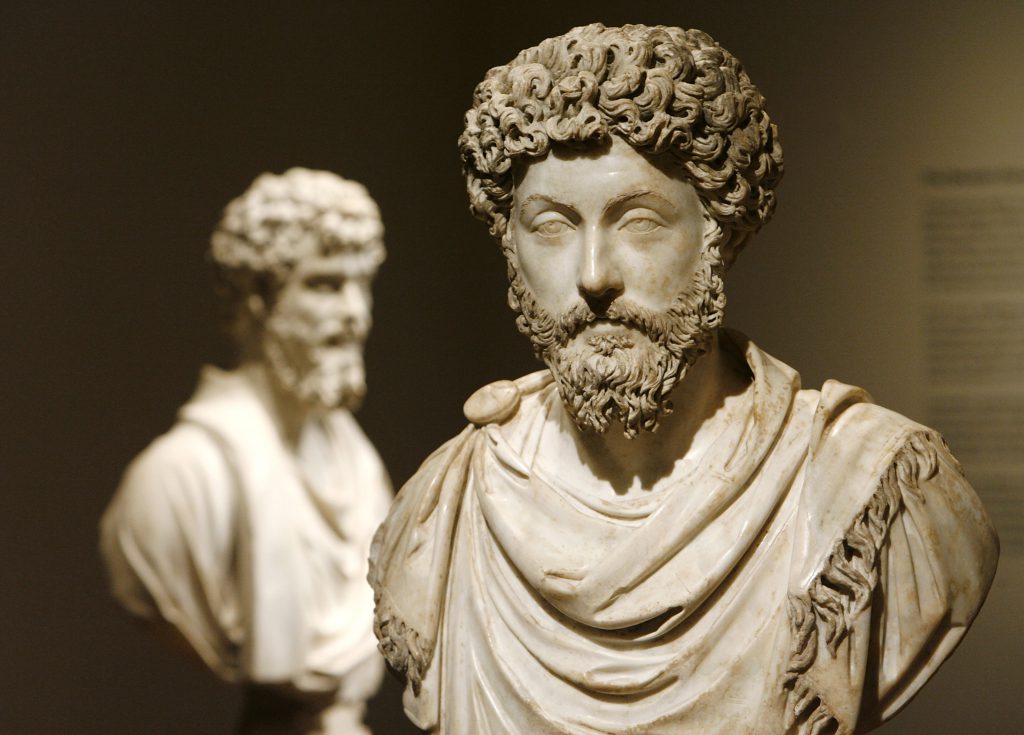
marcus-1024x735

Two of the biggest influence on my approach to coaching – Process Focused Coaching, are Albert Ellis and Ken Ravizza. Both have passed on, and both were heavily influenced by the Stoic philosophy.

Ellis was described as a ‘Stoic Philosopher with a Sailor’s Mouth’. He was inspired by the writings of Stoic Philosophers to devise Rational Emotive Behavior Therapy (REBT). REBT was the first form of Cognitive Behavior Therapy and is still my preferred technique for athlete counseling.

According to Ellis, “people are not disturbed by things but rather by their view of things.” This is a dead ringer to the quote below by Epictetus (one of the three most important Stoic philosophers along with Marcus Aurelius and Seneca).

“It isn’t the events themselves that disturb people, but only their judgments about them.” – Epictetus

Continue reading “How to Coach like a Greek Philosopher”

So You Think You’re Special?


You-Think-You-Are-Special-Beautiful-Colorful-Text-Picture

“When One teaches, Two learn.” This statement aptly sums up my experience conducting the ‘Coaching and The Growth Mindset’ workshop last week for Singapore Gymnastics. The coaches present were from culturally diverse backgrounds. There were coaches from Japan, China, Russia, Ukraine, Bulgaria and Singapore.

This group of coaches were particularly generous with their sharing (without going off tangent), and I learnt so much from them, especially when they related their experiences to the Talent-Effort Fallacy.

What is The Talent-Effort Fallacy?

Continue reading “So You Think You’re Special?”

Effort, Support & Learning

In the previous post, we discussed why praising athletes “shamelessly” might foster the Fixed Mindset. That does not mean we should hold back praises. Instead, we may want to be more deliberate in reinforcing the actual effort that leads to learning (rather than ability), and to mix up external praises with process based feedback.

The objective for this post is similar to the last one – to provide anyone in a coaching role (you could be a teacher or parent) with strategies that will help their athletes foster a mindset that pushes one to train consistently, cope with inevitable failures and to bounce back even stronger and better.

Continue reading “Effort, Support & Learning”