Confidence follows Competence

Confidence isn’t a pep talk—it’s a byproduct. It shows up as you progress through consistent practice, skill refinement, and learning from wins and setbacks. Build your competence, and confidence will follow.
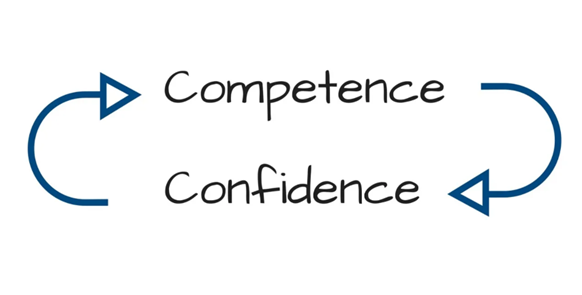
But what exactly is confidence? It is often defined as “the belief or perception that one can perform a task successfully” (Weinberg & Gould, 2019). It’s not about arrogance or blind optimism—it’s a grounded belief in your ability, built over time through consistent effort, feedback, and achievement. This belief enables you to remain assertive and adaptable under competitive pressure because you’ve earned the right to trust yourself.

Why Even Well-Prepared Athletes Struggle Under Pressure?

Continue reading “Confidence follows Competence”
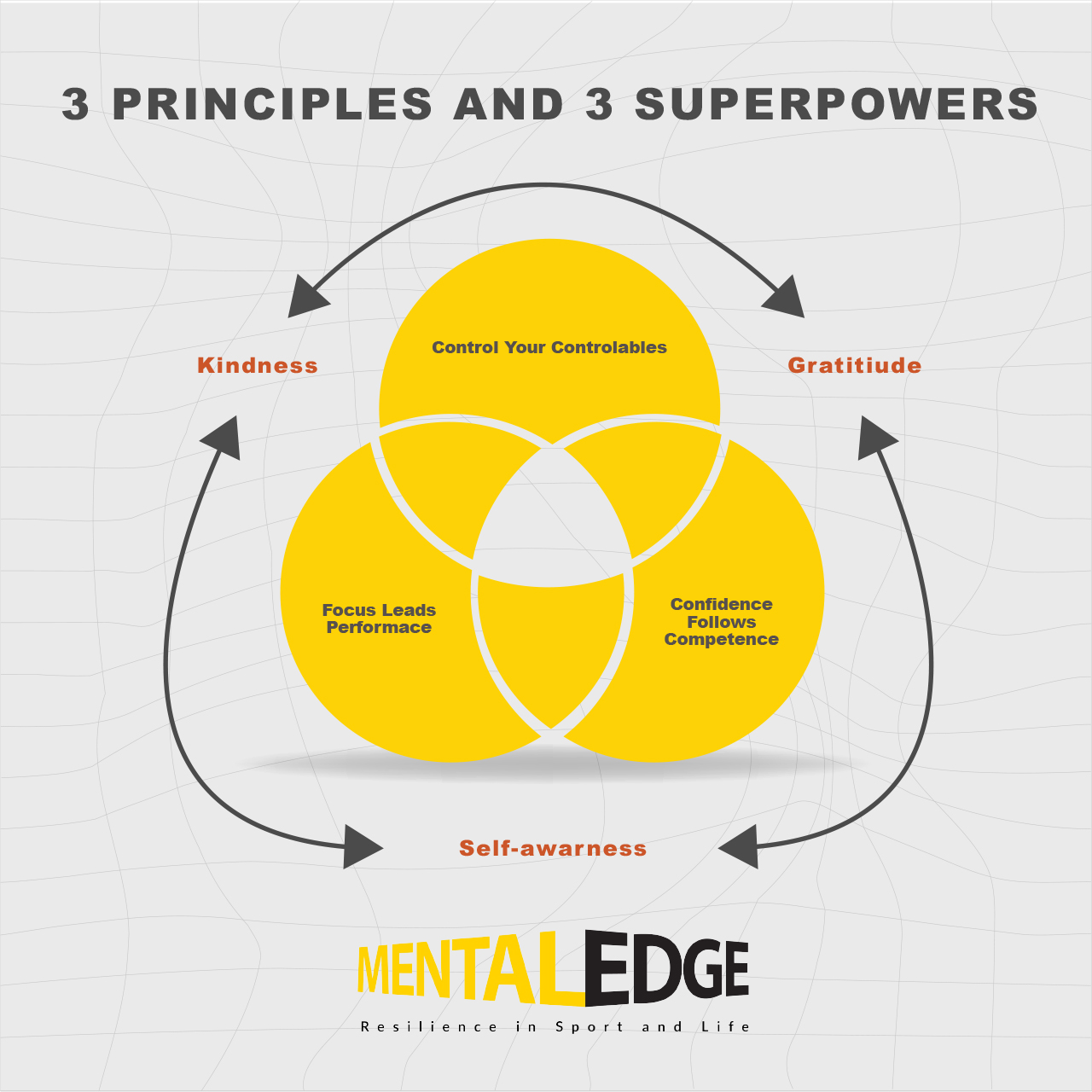
Principles First Approach to Mental Resilience (Part 1 of 3)

Traditionally, learners are introduced to psychological skills by learning the basics of goal setting, visualization, and self-talk (Weinberg & Gould, 2019). My preferred approach starts with the understanding of basic psychological principles, helping learners recognize their innate tendency for self-regulation, imagining future outcomes, and setting goals. By reflecting on past experiences where these tendencies helped them overcome challenges, learners gain insight into their existing strengths.

Consequently, the purpose of psychological skills training is to help them intentionally leverage these strengths to enhance performance and resilience. This approach requires a paradigm shift from viewing the learners as passive recipients of knowledge, waiting to be taught specific skills, to the assumption they already possess the innate resources needed to succeed (Rogers, 1995).

Continue reading “Principles First Approach to Mental Resilience (Part 1 of 3)”