Principles First Approach to Mental Resilience (Part 1 of 3)

Traditionally, learners are introduced to psychological skills by learning the basics of goal setting, visualization, and self-talk (Weinberg & Gould, 2019). My preferred approach starts with the understanding of basic psychological principles, helping learners recognize their innate tendency for self-regulation, imagining future outcomes, and setting goals. By reflecting on past experiences where these tendencies helped them overcome challenges, learners gain insight into their existing strengths.

Consequently, the purpose of psychological skills training is to help them intentionally leverage these strengths to enhance performance and resilience. This approach requires a paradigm shift from viewing the learners as passive recipients of knowledge, waiting to be taught specific skills, to the assumption they already possess the innate resources needed to succeed (Rogers, 1995).
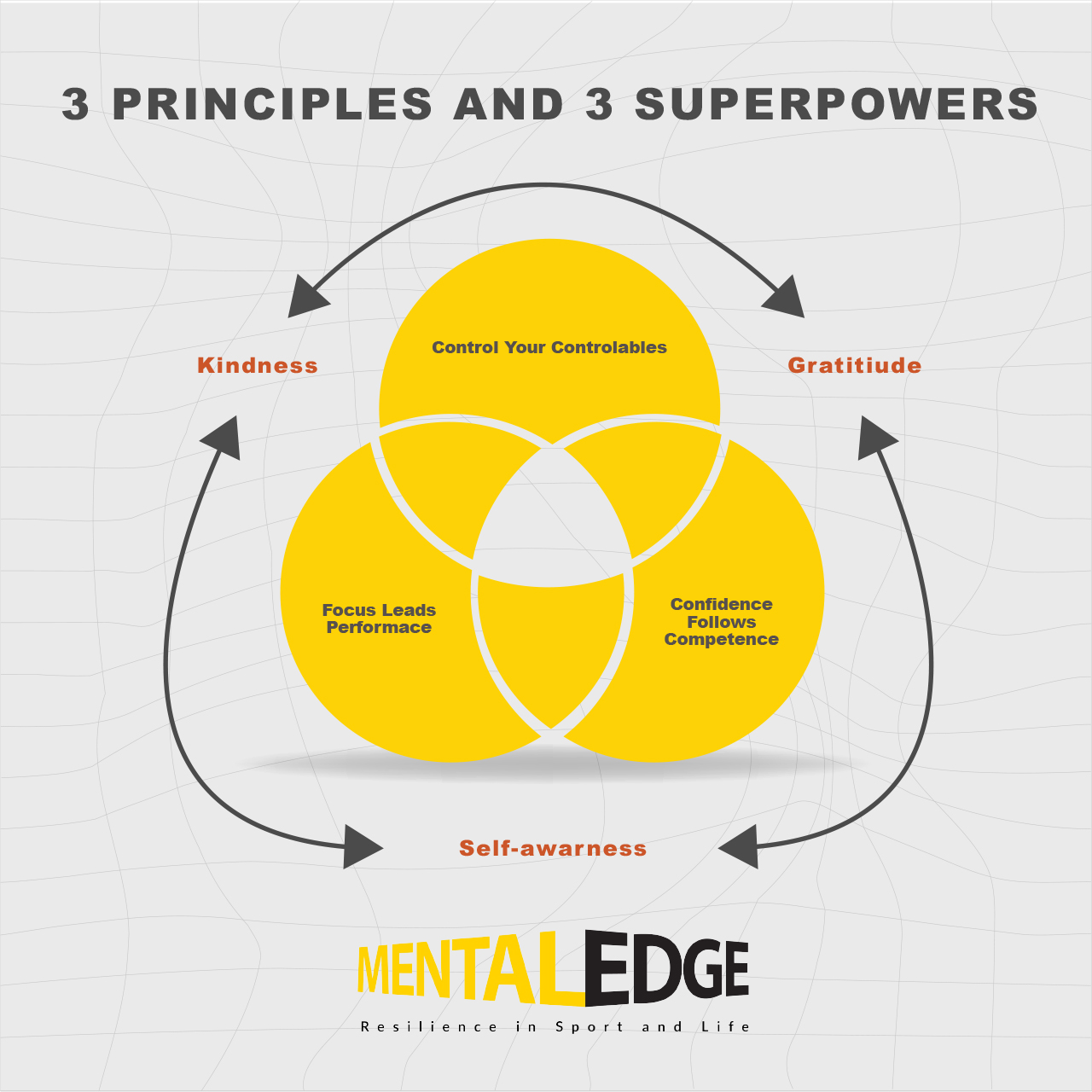
Continue reading “Principles First Approach to Mental Resilience (Part 1 of 3)”

The Role of Gratitude in Performance

It’s not simply about thanking others!

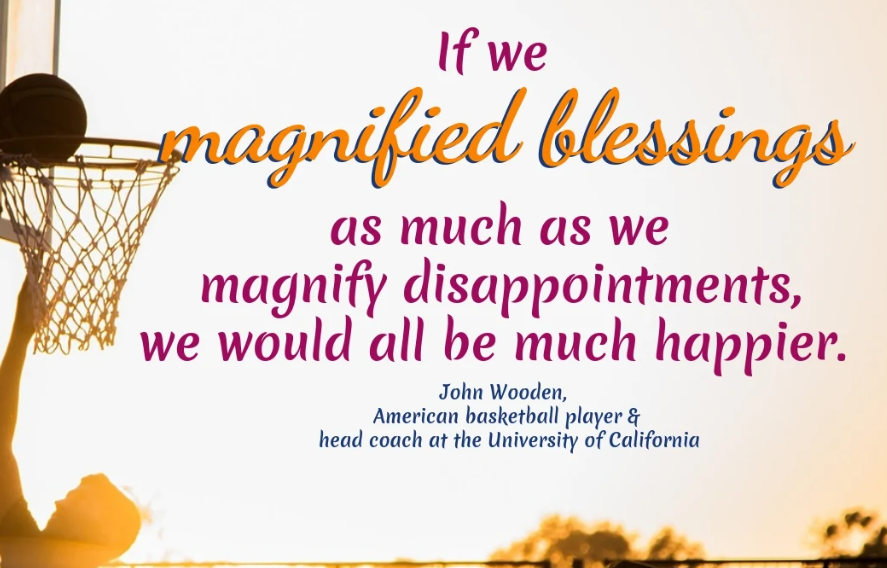
There is a growing body of research that shows how the regular practice of gratitude positively impacts a performer’s resilience, self-esteem, and actual performance (Chen & Wu, 2014; Gabana et al., 2019). It also helps prevent both physical and emotional burnout (Chen et al., 2021).

How do we define Gratitude?

A sense of thankfulness that emerges in response to any kind of benefit that one receives or as an act of expressing appreciation directed towards another or expressed privately (Gabana, 2019).

Continue reading “The Role of Gratitude in Performance”

“See it, believe it.”

Imagery, sometimes called visualization or mental rehearsal, is widely used by athletes, business professionals, musicians, and almost anyone looking to enhance their performance. It involves creating mental images of your performance to help you perform better under pressure, improve skills, evoke emotions, or create an immersive mental experience (Ramsey et al., 2010). I should also emphasize that Imagery is a mental skill; like all skills, it requires practice.

How does Imagery foster confidence and enhance performance?

Continue reading ““See it, believe it.””