Athletes often talk about ‘sacrificing’ for their team, supporters, coach, or even their country. There’s nothing wrong with that so long as it comes from authentic respect or gratitude. But here’s the catch: if that becomes your main motivation, it won’t lift you. More often than not, it will hold you back and here’s why…
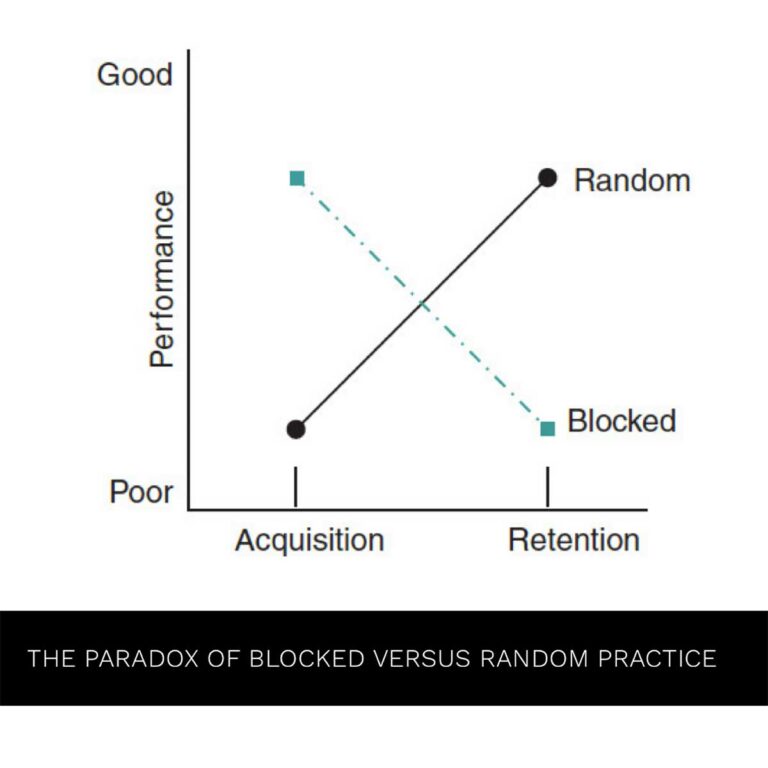
Many still believe that “perfecting” the same movement through endless drill repetitions will help athletes replicate these skills under competitive pressure. This often backfires becausecompetition is anything but predictable. Athletes face constantly changing variables—opponents’ strategies, weather, playing surfaces, and their own fluctuating mental and physical states. Therefore, when the game doesn’t match what they’ve rehearsed, they’re often unprepared to adapt since their training has not equipped them to handle such variability.
It may seem counterintuitive, but the key to achieving consistent performance in sports lies in embracing inconsistency during practice. However, the idea of training with variability often faces resistance, as many argue that it undermines the development of “muscle memory”, leads to poor fundamentals, and risks creating inconsistency in skill execution (especially for closed-skill dominant sports such as bowling, wushu and golf).
P.S. Rather than looking only at the example from your sport, explore examples from other sports too—doing so can offer fresh perspectives and inspire creative ways to incorporate variability into your own athletes’ training, helping them develop adaptability and consistency across diverse contexts.
Less of…
More of…
Track and Field: Focusing exclusively on achieving a perfect stride or jump in ideal conditions (i.e., jumps and hurdles).
Training in different weather conditions/times of the day or after varying levels of exertion, to adapt to competition factors like wind, temperature, and fatigue.
Wrestling and Martial Arts: Relying on static drilling of techniques with the same partner or alone.
Practicing from different angles, sparring with partners of varying sizes, and varying training intensity to prepare for dynamic and unpredictable matches.
Golf: Training at the indoor range indoors with repetitive block drills.
Training under diverse conditions, including different weather, varying targets, and distances, to adapt to unpredictable course elements like wind and terrain.
Boccia and Lawn Bowls: Practicing for perfect accuracy in unchanging and predictable conditions.
Simulating competition conditions by adjusting distance, using different types of balls, or practicing under time constraints to improve decision-making under pressure.
Soccer and most territorial invasion sports: Repeating predictable drills in controlled environments without accounting for the chaotic nature of a live match.
Practicing with varied drills, such as small-sided games, random ball placements, or fluctuating intensity levels (e.g., varying size of practice areas), to improve adaptability to unpredictable game situations.
Please share your thoughts about the examples above and I would also love to hear about your creative attempts at incorporating variability into your practice design.



 Coach Hansen